The 19 best sales prospecting tools for generating leads
- How to choose the right business development tools for your company
- How to optimize your sales prospecting strategy with automated tools

Are you looking for the best lead generation tools to grow your business?
Lead generation is not just about getting people to visit your site. It’s also about collecting their information to foster transaction loyalty.
And like any tough job, lead generation requires the right tools, even for marketers. That’s why, in this article, we’ll share our top tool picks to help you master all aspects of lead generation.
The 19 Best Sales Prospecting Tools
1. LinkedIn Sales Navigator
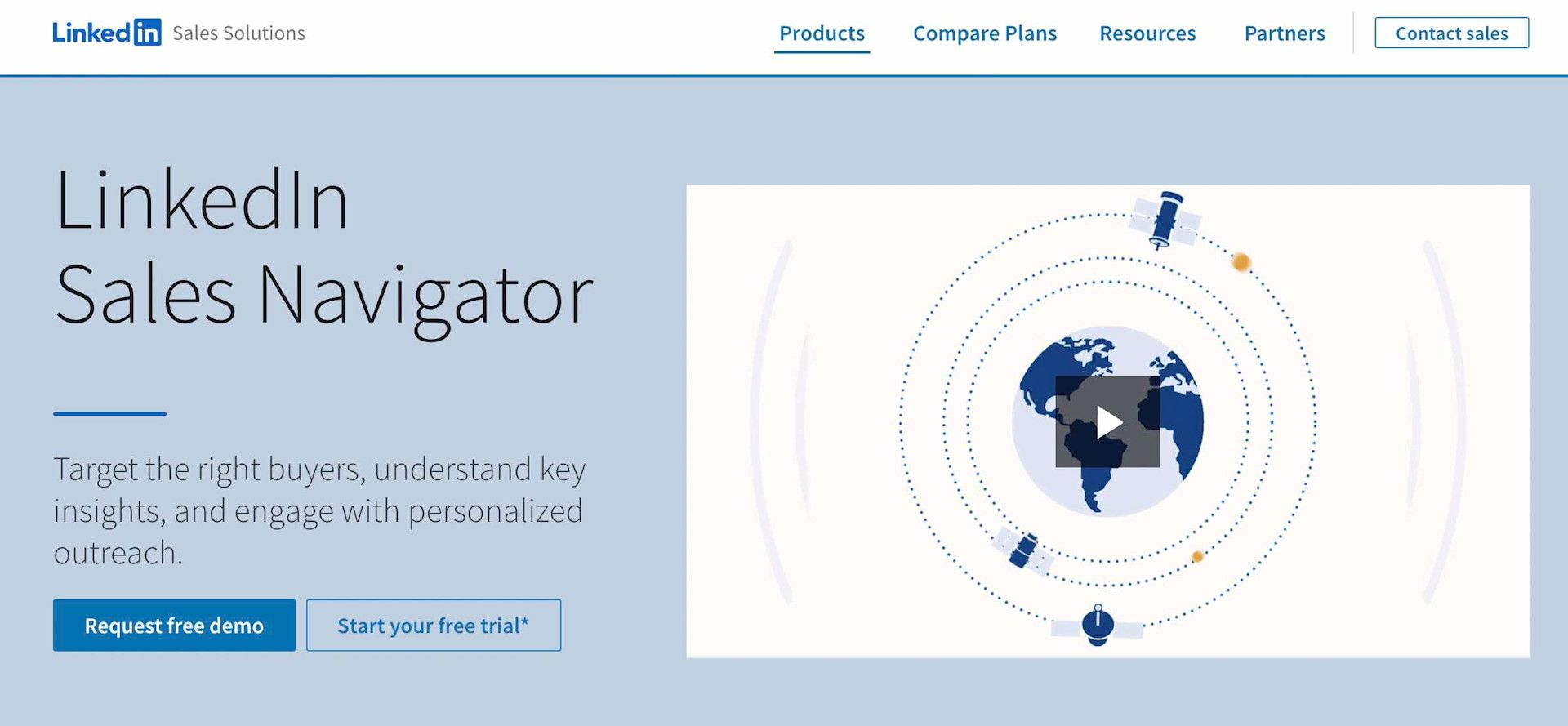
LinkedIn Sales Navigator is a lead generation tool developed by LinkedIn that helps find potential clients on the LinkedIn platform.
User rating: 4.6/5 on GetApp
2. Overloop
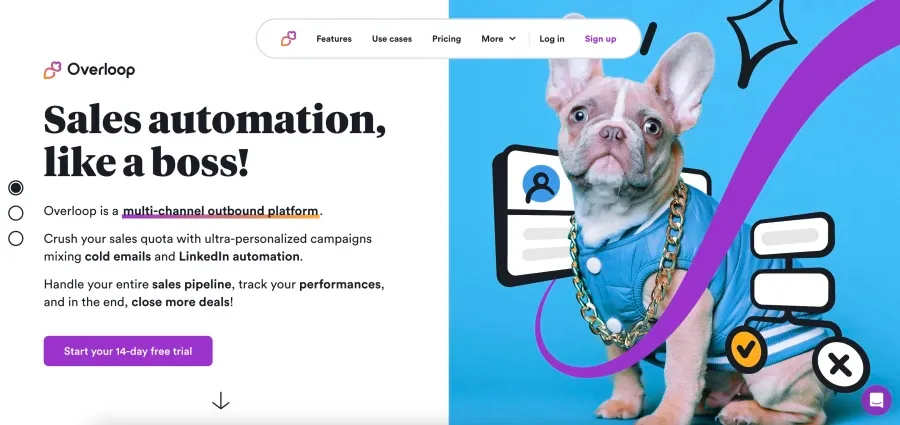
Overloop is an AI prospecting platform combining LinkedIn and email into one tool. Enter a company URL, the AI defines your ICP, finds matching contacts from a database of 450M profiles, and drafts the multichannel sequence. Native integration with major CRMs (HubSpot, Salesforce, Pipedrive). Starting at $69/month (Starter plan), free trial.
3. Kaspr
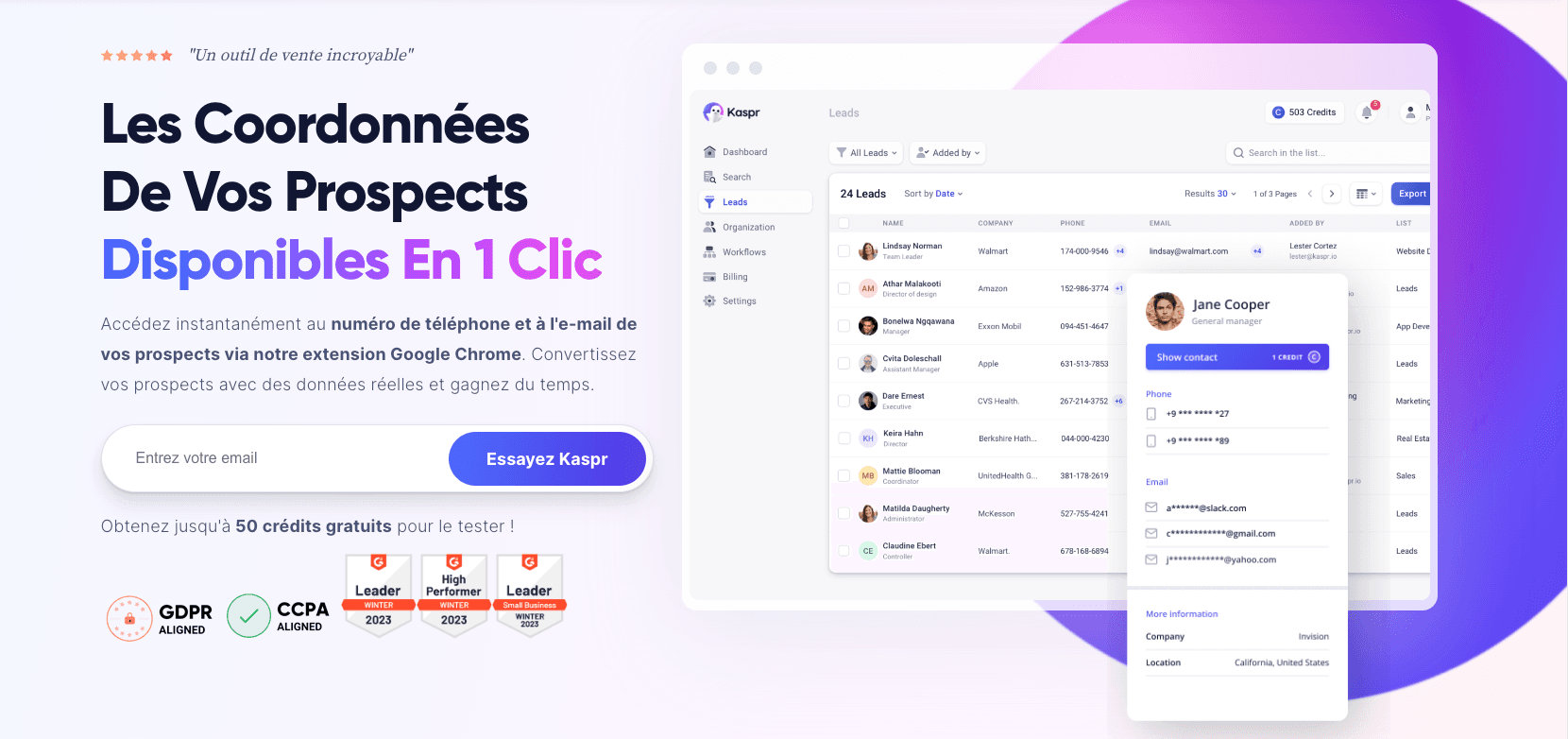
Kaspr is the email marketing platform for customer engagement. Kaspr validates prospect data in real time to ensure it’s up-to-date and accurate. Plus, it offers predefined templates or lets you create personalized emails.
4. Datagma

Datagma is a Google Chrome extension that works alongside your main browser window on LinkedIn, your email, CRM, and company websites to provide deep research on companies and contacts, delivering their emails and phone numbers with one click.
5. Dropcontact

Dropcontact is a contact management platform allowing users to quickly import contact lists. Dropcontact easily integrates with other marketing tools to maximize your data.
Customer rating: 4.6/5 on Capterra
6. Lusha
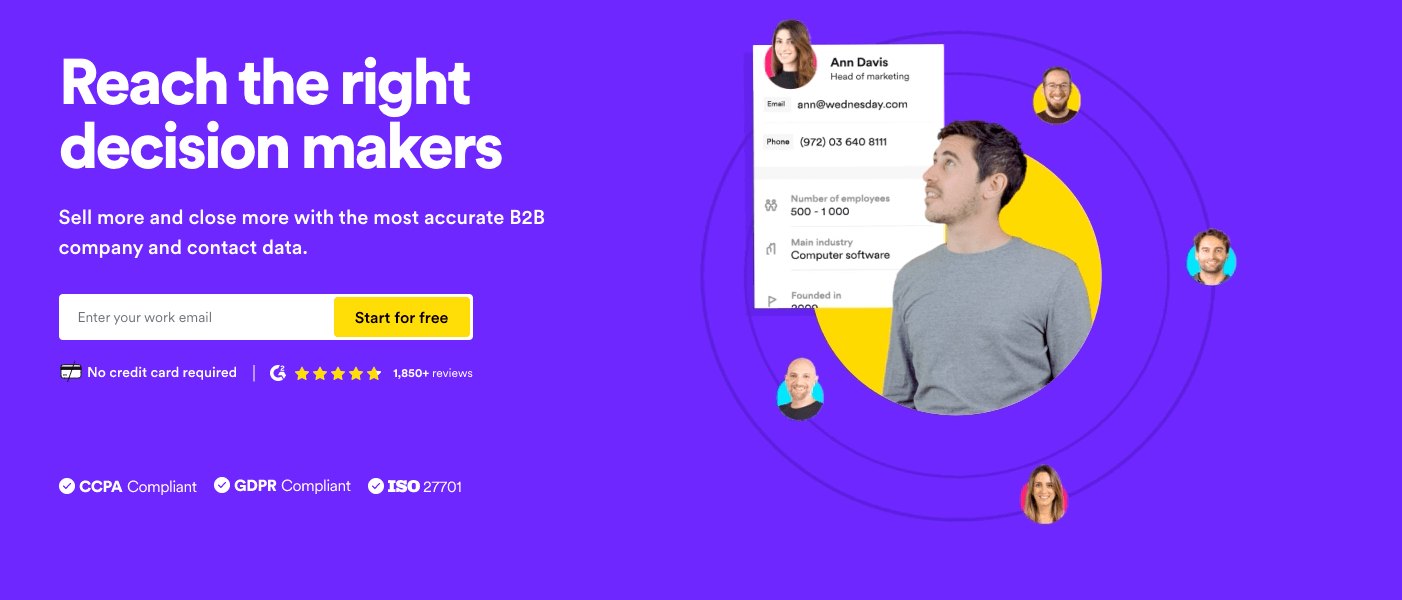
Lusha is a prospect management tool designed for businesses of all sizes. Perfect for small and medium B2B companies, easy to use and very effective. Ideal for building and maintaining databases and increasing conversions with features like auto-filling CRM data and data enrichment forms.
User rating: 4.1/5 on GetApp
7. Hunter
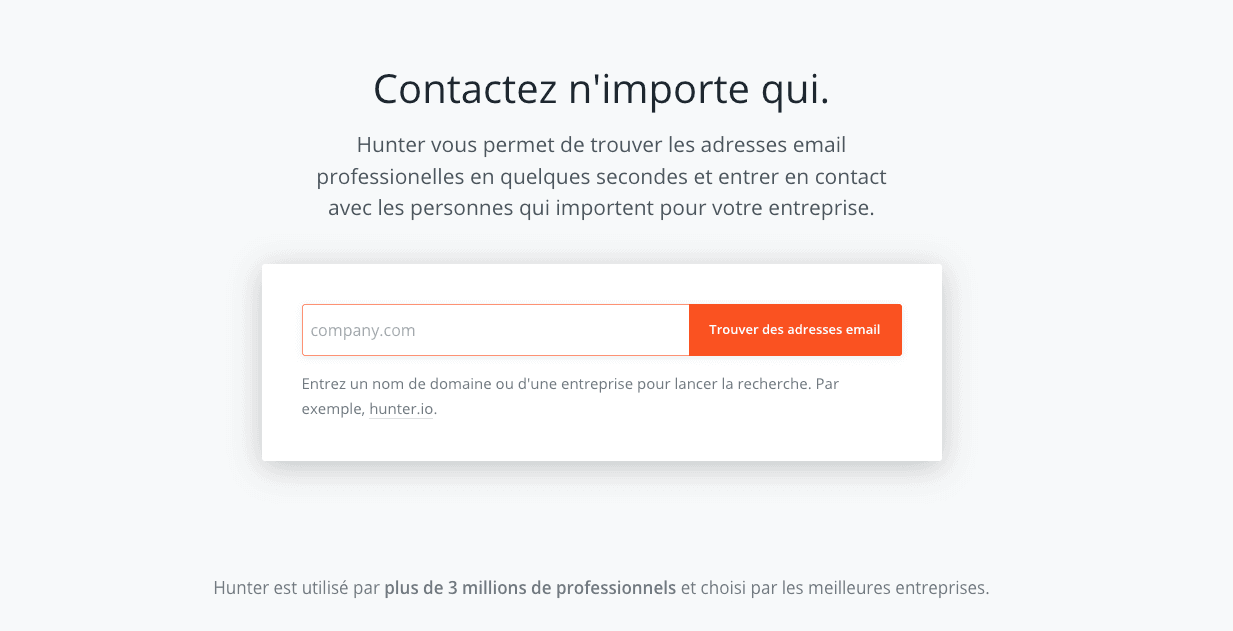
Hunter, formerly Email Hunter, is a website and Google Chrome extension that lets you search for email addresses on any domain. It also provides a score indicating the likelihood of an active address.
User rating: 4.6/5 on Capterra
8. Bouncer

Bouncer is a prospecting tool that helps businesses find and engage potential clients. Bouncer ensures the data you get on prospects, especially emails, is safe. It removes undeliverable, risky, or unknown email addresses from your databases.
User rating: 4.8/5 on Capterra
9. Emailable
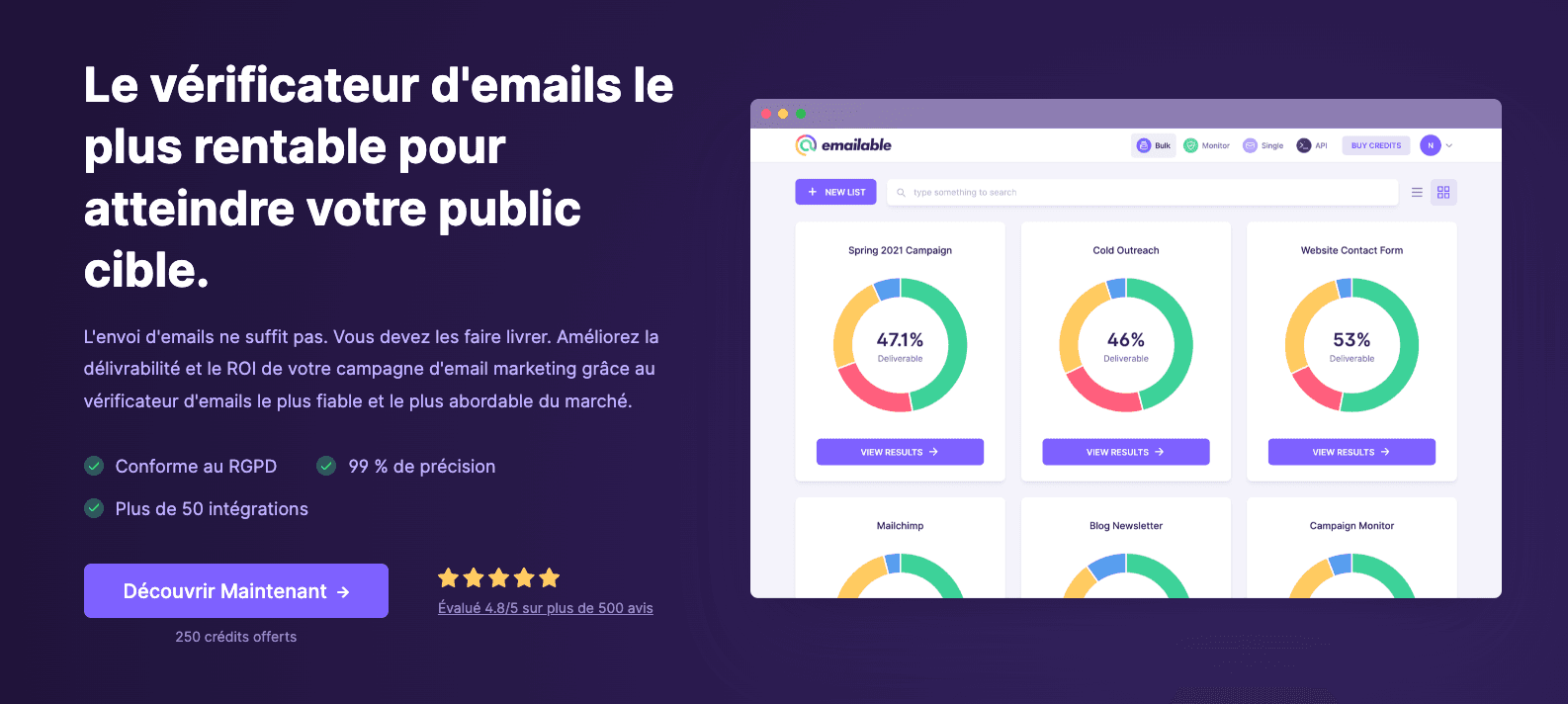
Emailable is a prospecting tool using advanced algorithms to identify the correct contact details of your potential clients so you can reach them effortlessly. By analyzing data from various sources, Emailable helps you quickly identify prospect contacts and ensures your messages land in their inbox.
Customer rating: 4/5 on Trustpilot
10. Waalaxy
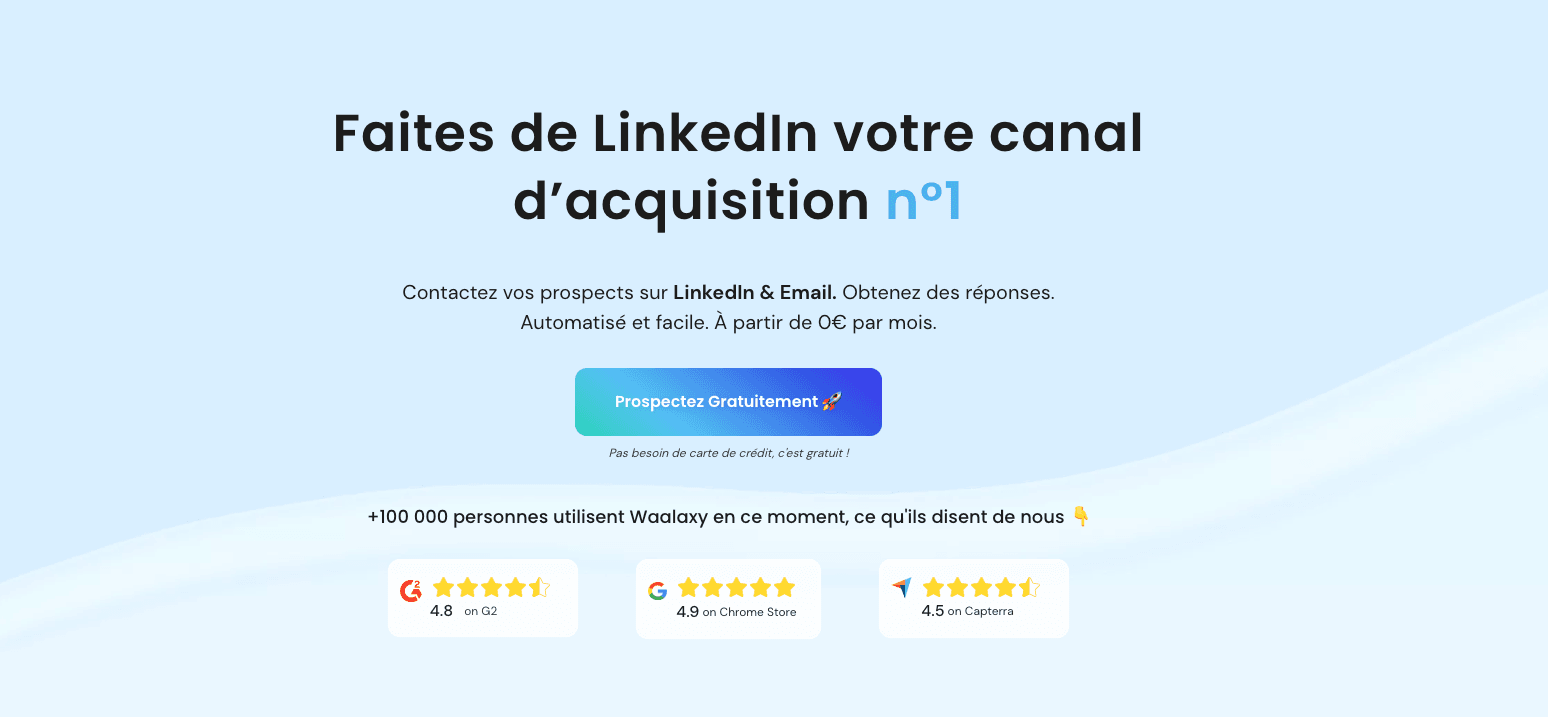
Prospecting becomes easy with Waalaxy: the prospecting tool transformed to become even more powerful. As a Google Chrome extension, Waalaxy no longer limits prospecting to LinkedIn but now includes other channels like email and Twitter.
Customer rating: 4.6/5 on the Chrome Web Store
11. Lemlist
Lemlist is the ultimate answer to all your automated email questions. This platform helps you create automated and personalized emails in no time.
12. PhantomBuster
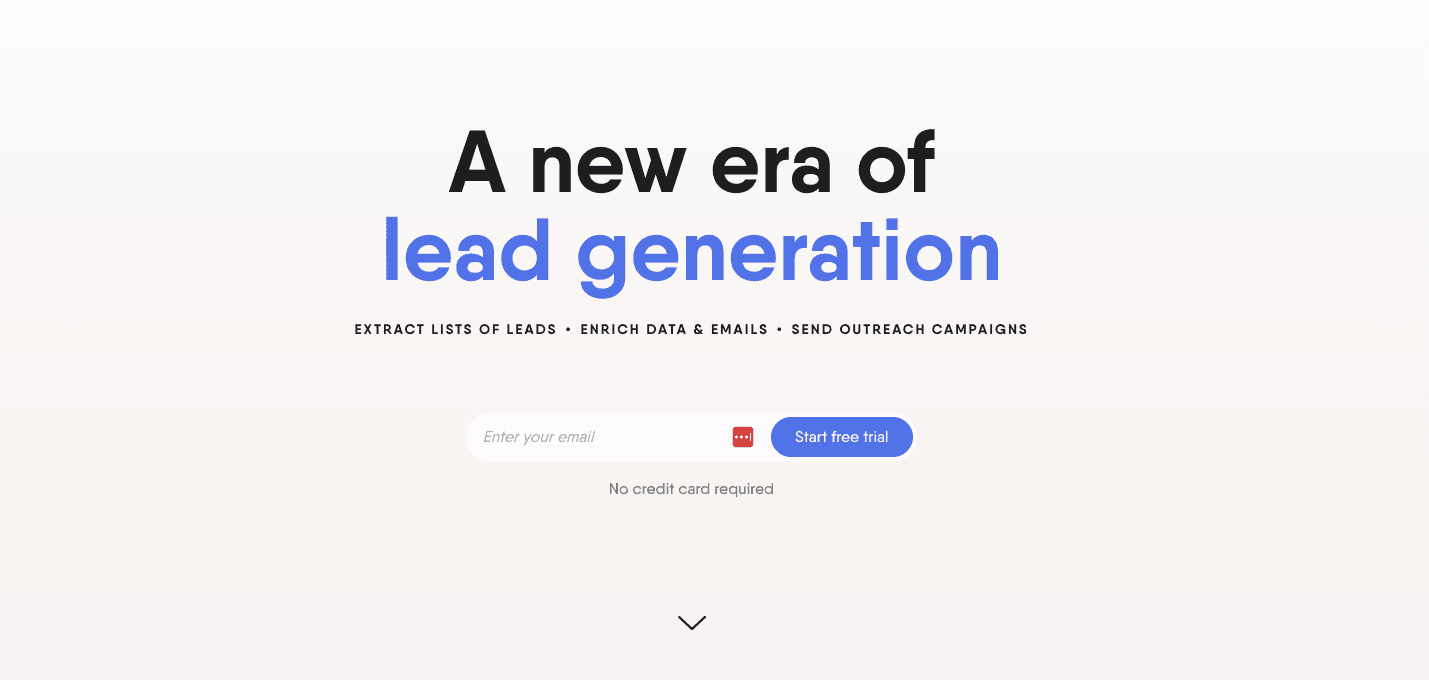
PhantomBuster is a scraping platform that allows users to extract large-scale data. PhantomBuster is a powerful tool to help businesses achieve their online goals.
User rating: 3.7/5 on Trustpilot
13. Zapier
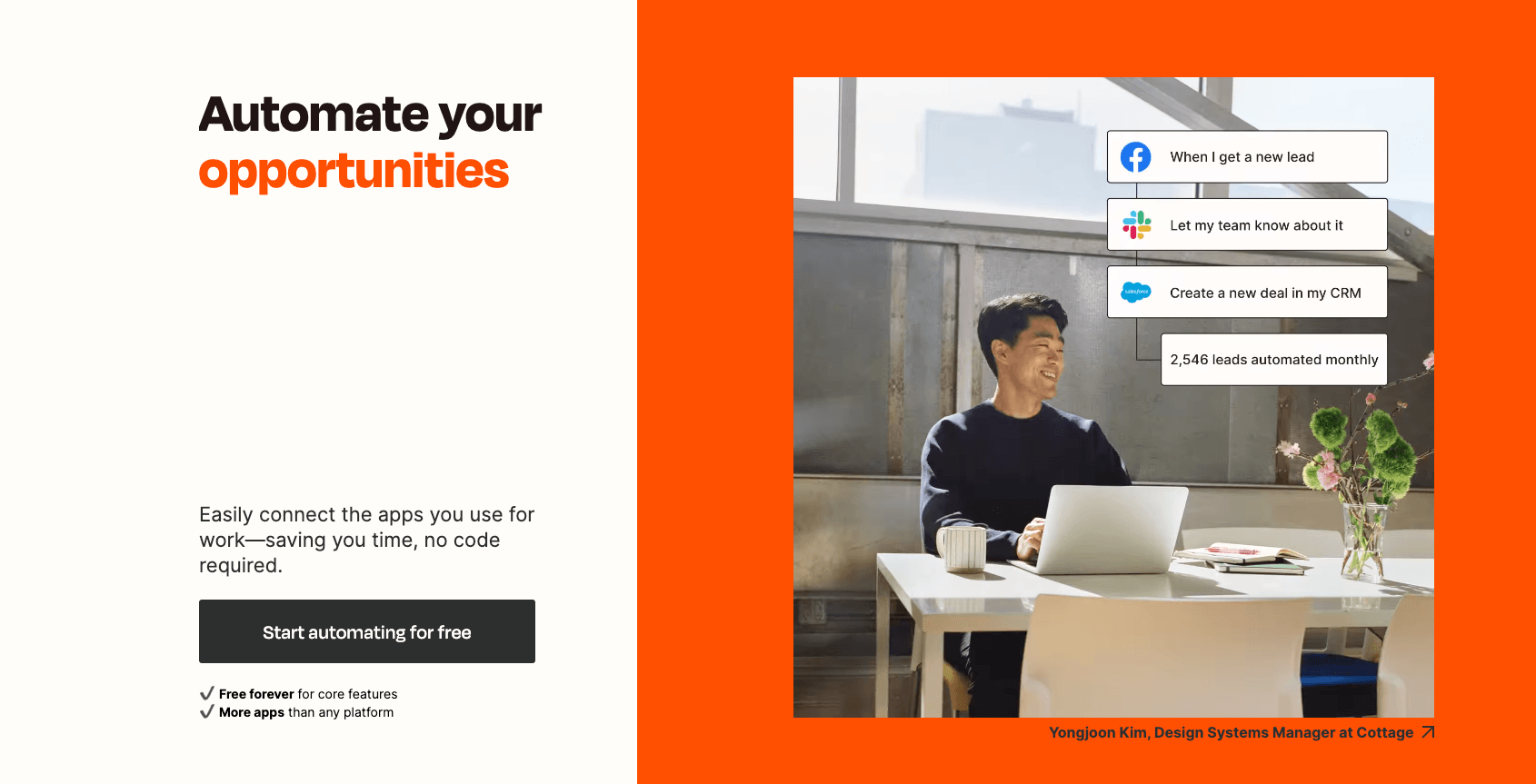
Zapier lets users connect apps to create automated workflows. The platform is used by businesses of all sizes to boost productivity and efficiency by simplifying workflows and eliminating tedious manual work. Integrated with over 3,000 apps, Zapier is a powerful tool to help businesses work smarter and automate workflows.
14. BuiltWith
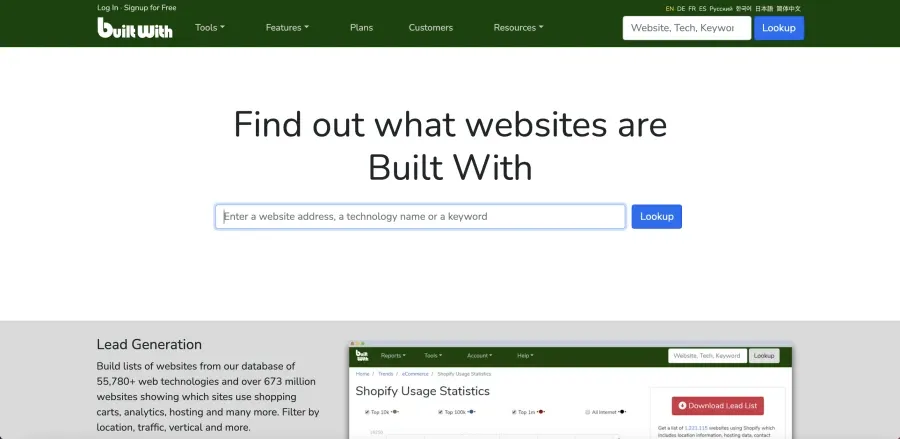
BuiltWith helps sellers find companies using specific software or tools. This feature is especially useful when researching industry competitors and the right tools.
You also get access to contact info, average tech spend, and company size.
Customer rating: 4.3/5 on Capterra
15. Capterra
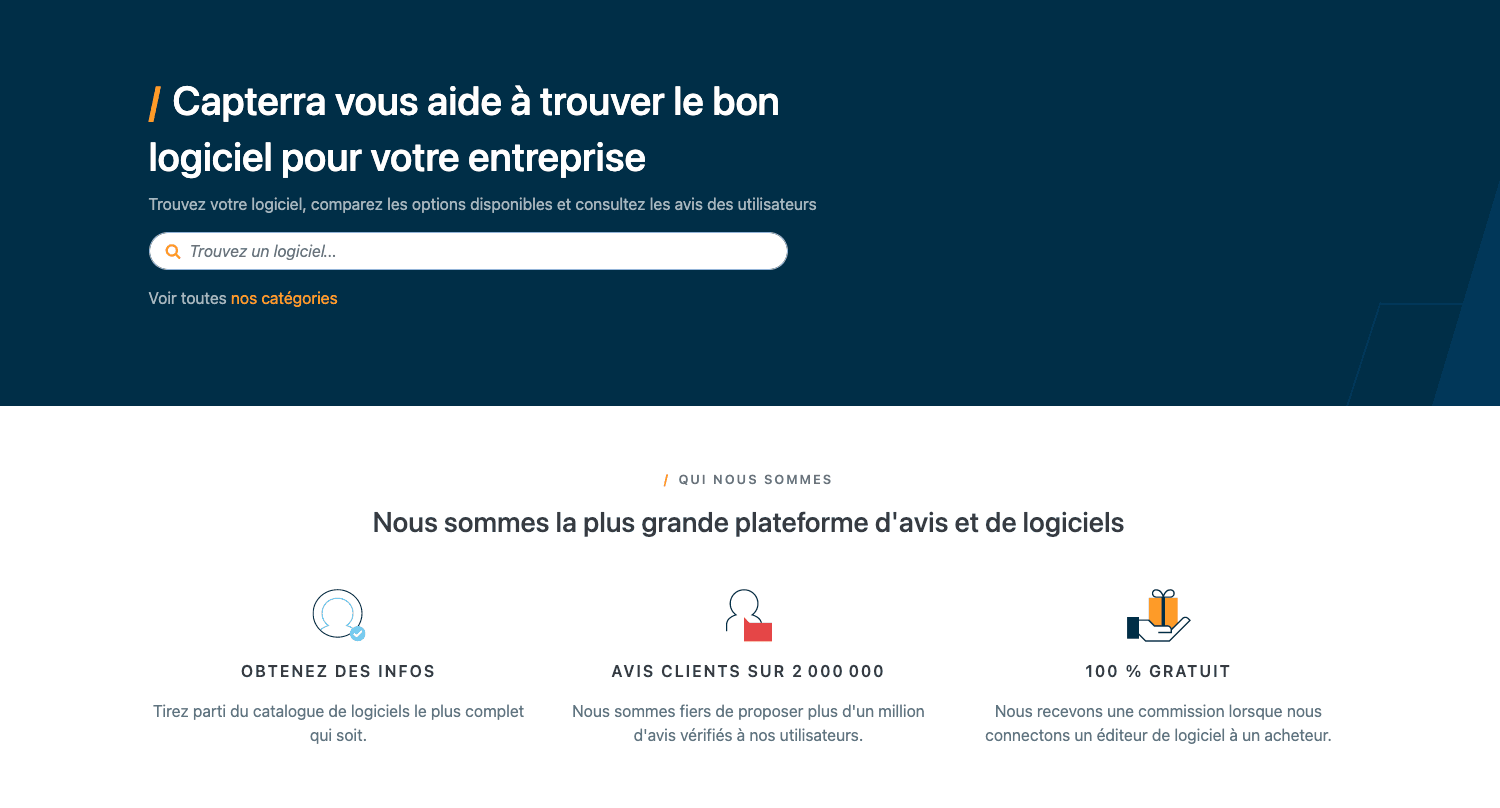
Depending on your industry and niche, Capterra can be your business acquisition tool.
As a software comparison platform, Capterra offers many listings of digital products and companies.
16. FindThatLead
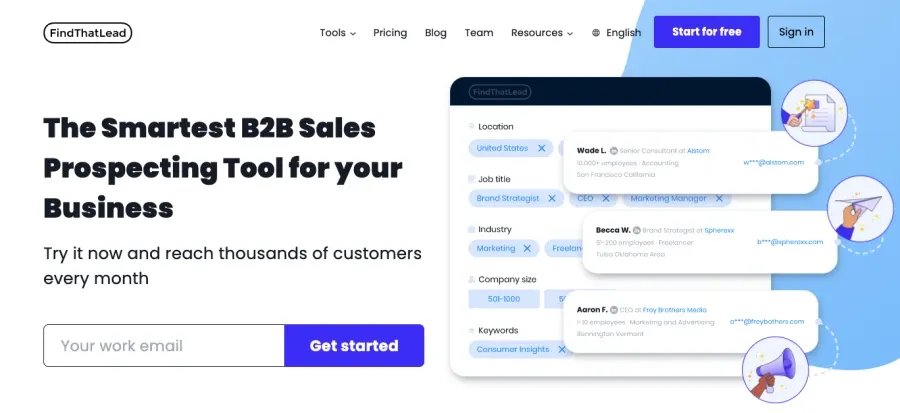
FindThatLead is another tool that generates a list of verified email addresses based on domain.
This B2B lead generation tool lets you automate and personalize your email campaigns.
User rating: 4/5 on G2
17. MailTester
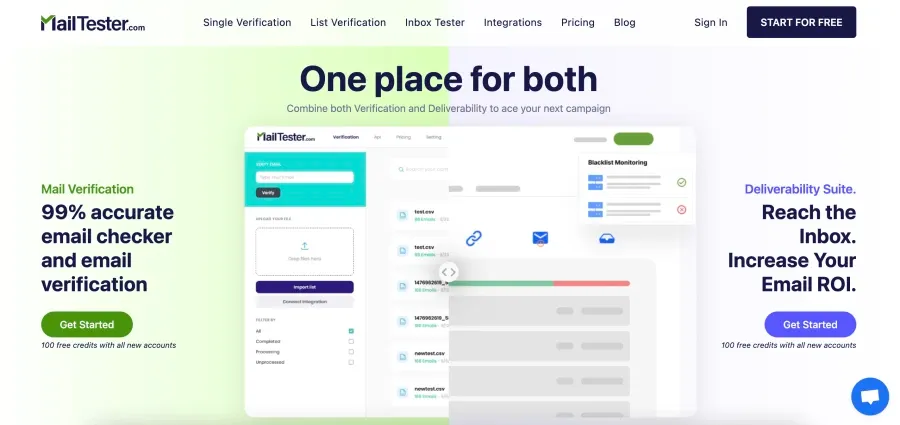
MailTester provides an email verification service capable of handling large volumes and delivering accurate results. This tool helps you verify all emails before sending campaigns. Remove duplicates, avoid spam traps, verify domains, track bounces, etc.
Customer rating: 3.7/5 on Trustpilot
18. Close
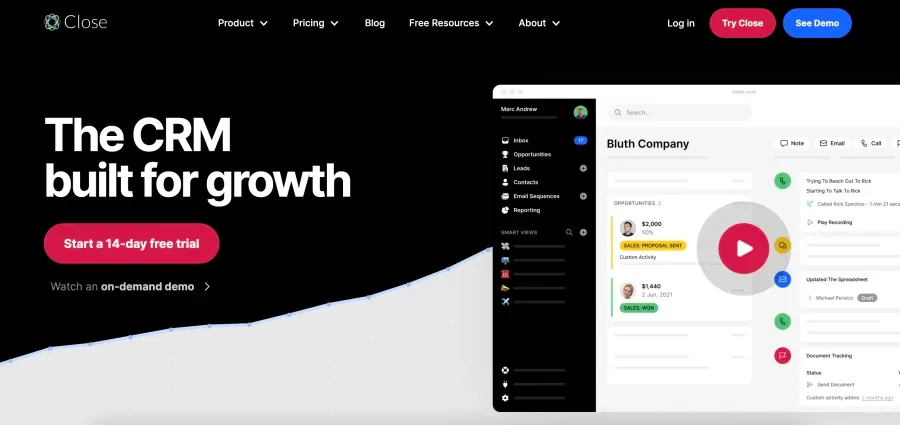
Close is a platform that streamlines the sales workflow.
Close also offers tools like task reminders and the ability to contact prospects and close deals via email, SMS, and phone from your desk.
19. Tami
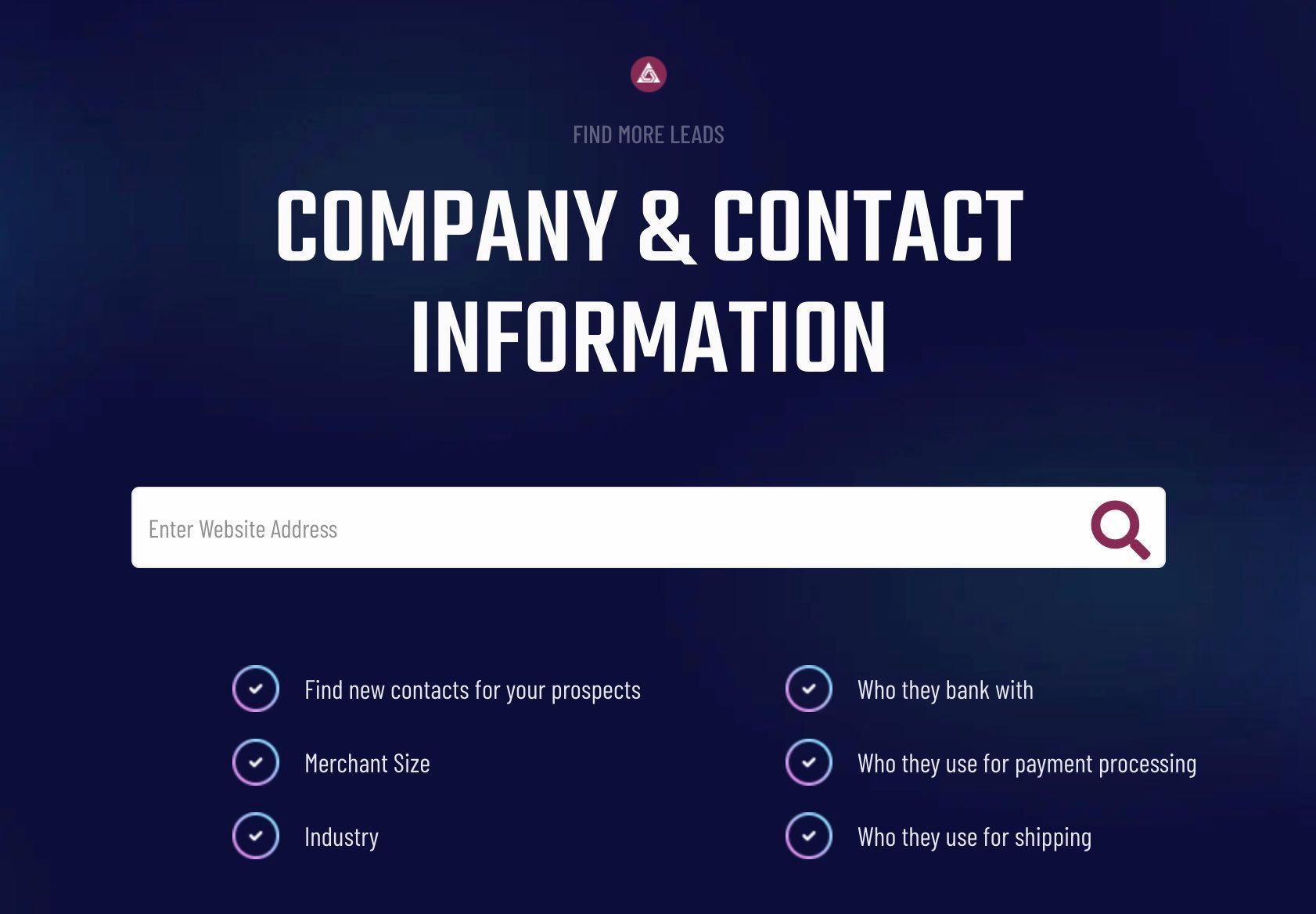
Tami lets users generate leads from a database. This database can be filtered by various criteria such as geography, merchant size, business type, and even the bank used by the potential client.
You can also set notifications to be alerted when a contact changes position.
User rating: 4.4/5 on GetApp
What to look for in a lead generation tool?
Here are the qualities you should seek in a lead generation tool:
-
Ease of use: It’s important not only that the software is easy but that everyone in your organization knows how to use it.
-
Accessibility: The best lead generation solutions are cloud-based, meaning you can access your campaigns and lead data from any internet connection. This makes it easier for the whole organization to get involved in lead generation.
-
Affordability: Nobody wants to spend money on something they’re not sure will work for them. Nor do you want to overspend on a solution that doesn’t provide all the tools you need.
-
Strong support: Make sure any issues you encounter are handled quickly and professionally. There’s nothing worse than paying for a tool and not using it because there’s no support when questions arise.
-
Target your ideal audience: Ensure your software allows you to reach the people you want with your lead generation campaigns.
To conclude...
A bit of history
Back in the days of cavemen hunting mammoths, saber-toothed tigers, or traders exchanging beads for vast New World territories, it was all about offerings or barter.
Then businesses relied on door-to-door and being in pedestrian traffic areas where interested people might be. This could be a spot in an open-air market or a storefront.
Word of mouth was essential to building a thriving business then, as most businesses served only their local area.

And technology was born
Fortunately, technological advances quickly changed the logistics of trade, expanding the area where businesses operated.
Then, the birth of the Internet in 1983 radically changed how business was done. From 1990, the Internet took a form similar to what we know today.
The Internet was a goldmine for marketers and advertisers. Pay-per-Click (PPC) started in 1999-2002, allowing businesses to pay for traffic from specific searches. Websites can generate traffic and leads with SEO. Email marketing lets businesses reach millions of inboxes in very little time.
In short, the Internet revolutionized sales prospects by giving businesses unprecedented access to prospect data. Plus, Internet use created new communication channels like social media, instant messaging, and email to reach potential customers.
The history of lead generation shows technologies and methods constantly change. It’s essential for businesses to stay current with trends and advances to improve cost, time, and effectiveness of lead generation efforts.

Take a moment to look at your business today:
- Do you really know your prospects?
- Do you really know your current customers and what makes them great? What do you know about them?
- Do you know where to find more of these ideal customers?
- Are your marketing efforts effectively focused on generating more of them?
Regardless of the century, winning businesses generate consistent leads because they know their market and how to meet their needs.
In other words
Sales prospecting is a crucial step in growing your business. However, it can be a daunting task, especially in a highly competitive market. That’s why lead generation tools can help identify, contact, and qualify leads.
In this article, we’ll explore different types of prospecting tools and how you can use them to generate quality leads and help grow your business.
Recommended Articles

What is a qualified prospect?
Discover the five characteristics of a qualified prospect to boost your sales and help you close deals more easily.
07/15/2026
Read more
Learn to prospect and win clients online
Prospecting is the 7th art that will revolutionize your sales culture with your clients.
07/15/2026
Read more
Training Focused on Cold Calling
5 cold calling tactics to make your next call a success and turn your calls into valuable moments for your clients.
06/17/2026
Read moreReady to boost your productivity with Leexi?
Leexi AI Notetaker takes notes for you